latest arcade games meltingtopgames
Arcade gaming has been a defining part of video game culture for decades. From the clunky cabinets of the 1980s to sleek, digital installations in modern entertainment centers, arcade games have continuously evolved to captivate audiences. While technology and design have changed, the essence of arcade gaming—fast-paced action, instant feedback, and competitive spirit—remains. In today’s digital age, the emergence of new trends in gaming has led to the creation of innovative experiences that merge nostalgia with modern gameplay mechanics. One prime example of this innovation is reflected in the growing popularity of latest arcade games meltingtopgames, which combines classic gaming principles with contemporary design aesthetics.
Arcade gaming has always thrived on accessibility and immediacy. Unlike console or PC games, which often require setup and investment, arcade games provide instant entertainment. The quick, often challenging gameplay loops are designed to capture attention and reward skill and reflexes. This model continues to influence digital game development today, where short, engaging sessions are highly valued. The success of latest arcade games meltingtopgames illustrates how developers balance tradition and innovation to meet player expectations.
Historical Context of Arcade Gaming
The arcade industry began to flourish in the 1970s and 1980s with titles like Pong, Pac-Man, and Donkey Kong. These games emphasized simple mechanics, high replay value, and competitive scoring. Players were drawn to arcades not only for the games but for the social environment, where high scores and skill recognition fostered community.
Arcades also served as testing grounds for new ideas. Developers experimented with graphics, sound, and gameplay mechanics that would later influence home gaming consoles. The spirit of innovation that characterized early arcades laid the groundwork for the development of titles like latest arcade games meltingtopgames, which leverages contemporary graphics and gameplay while maintaining the quick, engaging loops beloved in classic arcades.
The Modern Arcade Experience
Modern arcades have evolved to include immersive environments, virtual reality experiences, and multiplayer interactions. Digital and physical elements are combined to create unique experiences, from racing simulators to interactive shooting games. Players now expect high-quality visuals, realistic sound effects, and responsive controls.
In this landscape, the appeal of latest arcade games meltingtopgames is its ability to blend retro-inspired gameplay with modern technology. These games capture the essence of traditional arcade titles while introducing new challenges, mechanics, and aesthetics that appeal to contemporary audiences. The balance of nostalgia and novelty ensures that both veteran and new players find the games engaging. meltingtopgames com
Game Mechanics and Player Engagement
Arcade games are defined by their gameplay mechanics. Speed, timing, precision, and reflexes are core components that keep players engaged. Modern developers have expanded these mechanics to include strategy, progression systems, and social competition. This evolution creates deeper engagement without losing the immediacy that defines arcade gaming.
Titles like latest arcade games meltingtopgames exemplify this approach. Players encounter familiar arcade challenges but are also incentivized with progression systems, unlockable content, and achievements. By combining traditional mechanics with modern gameplay elements, these games sustain player interest over longer periods.
Visual and Audio Design in Arcade Games
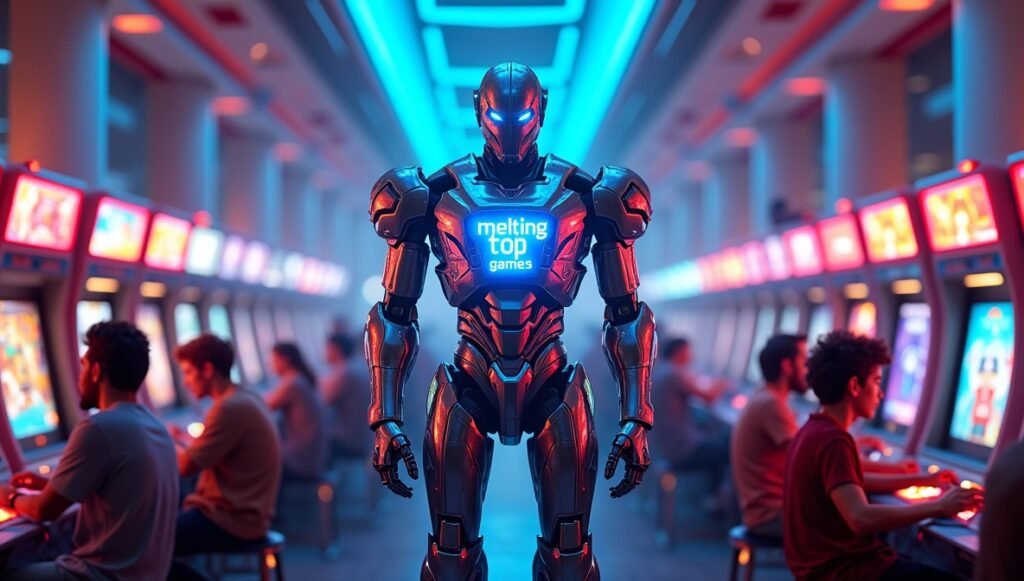
Graphics and audio play a pivotal role in the arcade experience. Vibrant visuals and engaging soundtracks create an immersive atmosphere that enhances gameplay. Retro games often used simple graphics and catchy chiptunes, while modern arcade titles employ detailed animations, dynamic lighting, and sophisticated audio design.
The designers behind latest arcade games focus on creating a visually striking environment that maintains clarity and responsiveness. The audio design is equally critical, providing immediate feedback and heightening the emotional impact of in-game actions. This careful integration of sensory elements ensures a captivating and memorable experience.
Multiplayer and Social Features
Arcade gaming has always had a social component. In the past, this was expressed through high scores and physical presence in arcades. Today, multiplayer functionality allows players to compete or collaborate online, expanding the community beyond physical boundaries.
Latest arcade games meltingtopgames incorporates multiplayer features that enable competitive and cooperative play. Leaderboards, team challenges, and real-time multiplayer modes enhance social interaction, making the gaming experience more dynamic and engaging. The social integration mirrors the communal aspect of traditional arcades while utilizing the possibilities of modern networks.
Mobile and Digital Platforms
The rise of mobile and digital platforms has expanded the accessibility of arcade games. Players can now enjoy quick gaming sessions anywhere, which aligns perfectly with the traditional arcade ethos of instant entertainment. Mobile adaptations also include features such as touch controls, gyroscopic movement, and haptic feedback to mimic the arcade feel.
The success of latest arcade games meltingtopgames on mobile and online platforms demonstrates the potential for arcade-inspired experiences outside traditional arcades. These games maintain the excitement and challenge of arcade classics while leveraging modern technology to reach a broader audience.
Replayability and Progression Systems
Replayability is a hallmark of arcade games. Classic titles encouraged players to improve high scores, while modern versions often introduce additional layers of progression, including character upgrades, unlockable levels, and achievements. These systems incentivize repeated play and provide a sense of accomplishment.
In latest arcade games meltingtopgames, progression systems are integrated seamlessly with arcade mechanics. Players can enjoy short, intense sessions while working toward longer-term goals, blending immediate gratification with sustained engagement. This design approach maintains the core arcade experience while providing modern players with meaningful rewards.
The Role of Competition
Competition drives engagement in arcade gaming. Whether through high scores, time challenges, or multiplayer matches, players are motivated by comparison and recognition. The competitive element is essential for maintaining player interest and fostering communities around games.
Latest arcade games emphasizes competitive play by providing global leaderboards, tournaments, and social features that allow players to test their skills against others. This competitive structure not only enhances engagement but also encourages skill development and strategic thinking.
User Interface and Accessibility
The user interface (UI) in arcade games must be intuitive and responsive. Players need to understand controls and objectives immediately to enjoy the experience. Accessibility features, including customizable controls and scalable difficulty, ensure that players of all skill levels can participate.
Designers of latest arcade games meltingtopgames prioritize clear UI, responsive input, and accessibility options. These features allow the games to appeal to a wide demographic, from casual gamers to hardcore enthusiasts. By focusing on user experience, the games retain the instant appeal characteristic of classic arcade titles.
Immersive Experiences with Technology
Advancements in technology have enabled new forms of immersive arcade experiences. Virtual reality (VR), augmented reality (AR), and motion-sensitive controls create interactive environments that blur the line between physical and digital play.
Latest arcade games meltingtopgames leverages modern technology to enhance immersion. Players can experience high-intensity gameplay with realistic feedback, dynamic visuals, and responsive controls, creating a sense of presence that amplifies engagement. This fusion of classic arcade principles and modern innovation exemplifies the direction of contemporary game development.
Cultural Impact and Nostalgia
Arcade games hold cultural significance, representing a shared gaming heritage. Nostalgia drives interest in retro-inspired titles, while contemporary iterations attract younger audiences. This dual appeal strengthens the market for arcade games and fosters intergenerational engagement.
The development of latest arcade games taps into this nostalgia by integrating familiar mechanics and aesthetic cues from classic arcades. At the same time, modern features and gameplay innovations ensure relevance for today’s players, bridging the gap between past and present gaming cultures.
Challenges in Game Development
Creating engaging arcade games presents unique challenges. Developers must balance difficulty, pacing, and reward systems to maintain player interest. Overly complex mechanics can deter casual players, while overly simplistic designs risk losing depth for experienced gamers.
The design philosophy behind latest arcade games meltingtopgames addresses these challenges by blending approachable mechanics with strategic depth. Iterative testing, player feedback, and careful balancing are key components in producing a satisfying arcade experience.
Monetization Strategies
Monetization in modern arcade games varies widely. While traditional arcades relied on coin-operated systems, digital versions implement in-app purchases, ad-supported content, or subscription models. Effective monetization ensures sustainability without undermining gameplay enjoyment.
Latest arcade games meltingtopgames employs ethical monetization strategies, focusing on optional purchases that enhance the experience rather than create barriers. This approach respects players while providing developers with the resources needed to maintain and expand content.
The Future of Arcade Gaming
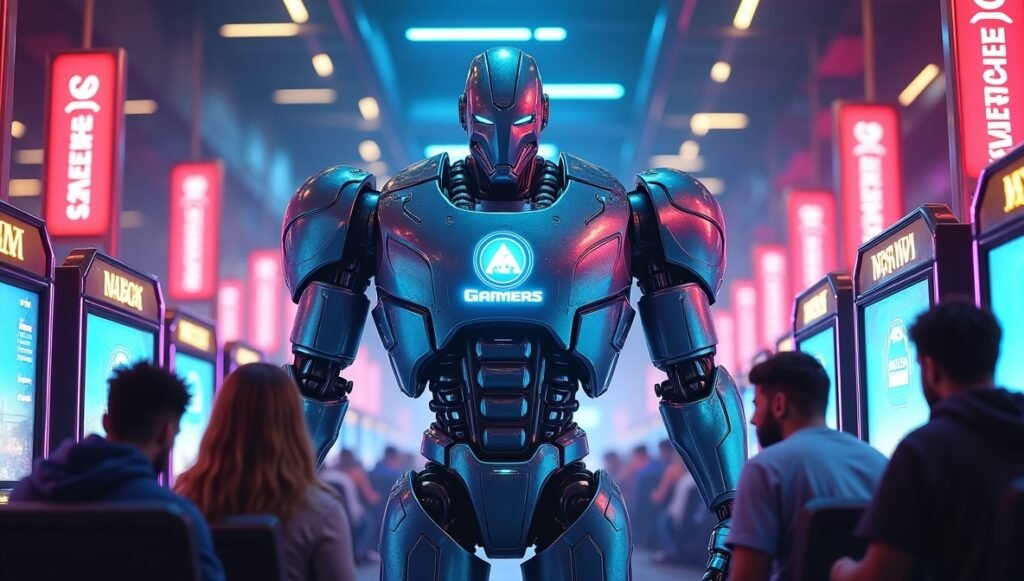
The future of arcade gaming is promising, with technological advancements offering new ways to engage players. VR, AR, AI-driven adaptive difficulty, and cloud-based gaming will redefine how arcade experiences are delivered. Social and competitive features will continue to expand, fostering vibrant player communities.
Latest arcade games meltingtopgames exemplifies the potential for innovation within the arcade genre. By integrating modern technology, design sophistication, and player-centric features, these games represent the future of engaging, accessible, and entertaining digital play.
Educational and Cognitive Benefits
Arcade games are not only entertaining but can also promote cognitive skills, including problem-solving, hand-eye coordination, and strategic thinking. Fast-paced challenges stimulate reflexes, while progression systems encourage planning and resource management.
Games like latest arcade games combine fun with subtle educational benefits. Players improve multitasking abilities and quick decision-making, demonstrating that arcade gaming can support both leisure and skill development.
Community and Social Interaction
Modern arcade games foster social connections through multiplayer modes, forums, and competitive leaderboards. Players share strategies, achievements, and experiences, creating robust online communities.
Latest arcade games meltingtopgames emphasizes social features, enabling players to form teams, challenge friends, and participate in events. This integration of social dynamics enhances engagement and creates a sense of belonging, reflecting the community-driven spirit of traditional arcades.
Longevity and Replay Value
Replay value is a critical aspect of arcade games. Short, repeatable sessions encourage players to return frequently. The combination of high scores, unlockable content, and random challenges ensures each playthrough remains exciting.
In latest arcade games meltingtopgames, developers design levels and challenges to maintain unpredictability and engagement. Replayability ensures that players continue to enjoy the game over extended periods, supporting both satisfaction and retention.
Conclusion
Arcade games have continually adapted to technological, social, and cultural shifts, evolving from simple coin-operated machines to sophisticated digital experiences. Their core appeal—fast-paced, engaging gameplay—remains intact, bridging generations of players.
The emergence of latest arcade games meltingtopgames demonstrates the fusion of nostalgia, modern design, and technological innovation. By combining classic gameplay mechanics with contemporary features, these games deliver rich, immersive experiences that appeal to both veteran and new audiences.
From visual design and responsive controls to competitive and social dynamics, arcade games continue to thrive in a digital landscape. Careful balancing of mechanics, progression, and monetization ensures that these titles remain accessible and engaging. As technology advances, arcade gaming will continue to innovate, retaining its cultural significance while expanding into new realms of entertainment.
About the Author